
Blog
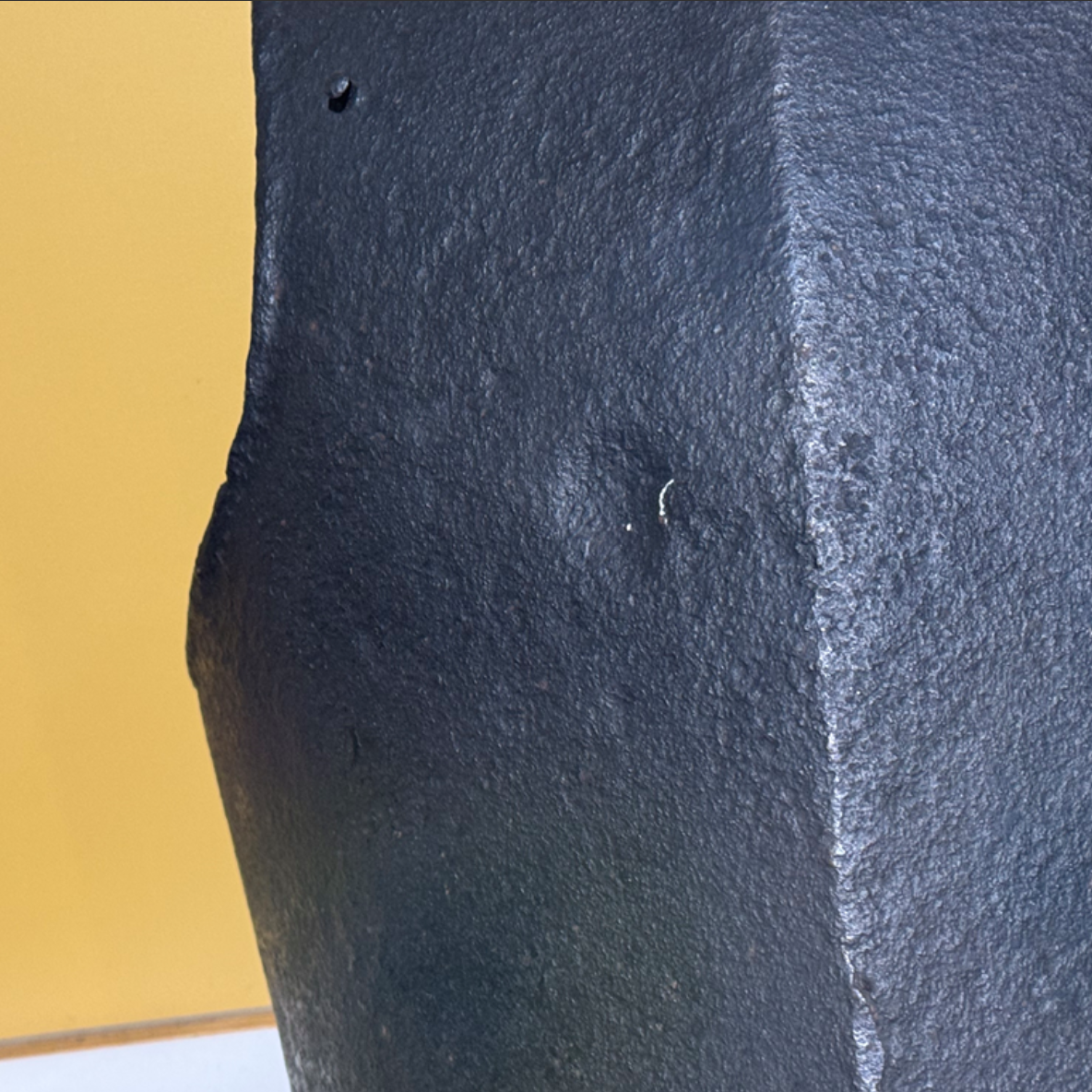
Our September Object of the Month is battle‑ready
Gloucester Day celebrates the lifting of the Siege of Gloucester in 1643 - and this month’s object comes straight from that story.

Hidden Histories & hands on fun this September
A month full of chances to explore, make and discover across the Museum.
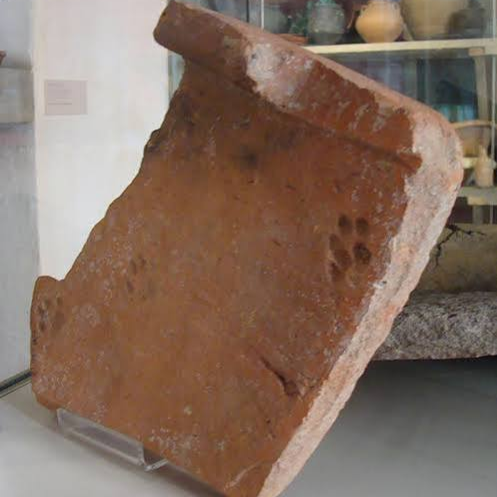
Our August Object of the Month is just puuurfect!
A 100 CE roof tile and one very cheeky cat. Tap to see August’s object of the month.

Art, Archaeology & Adventures This August
Calm spaces, real finds and new ways to discover the Museum.
Discover Something New This July
Explore what’s happening this month - archaeology, creativity and more.

New Opportunity: Escape Room Events Specialist
Come and work with us! We’re looking for an experienced events specialist to create Lost in the Past, a new heritage‑inspired Escape Room built inside our galleries.
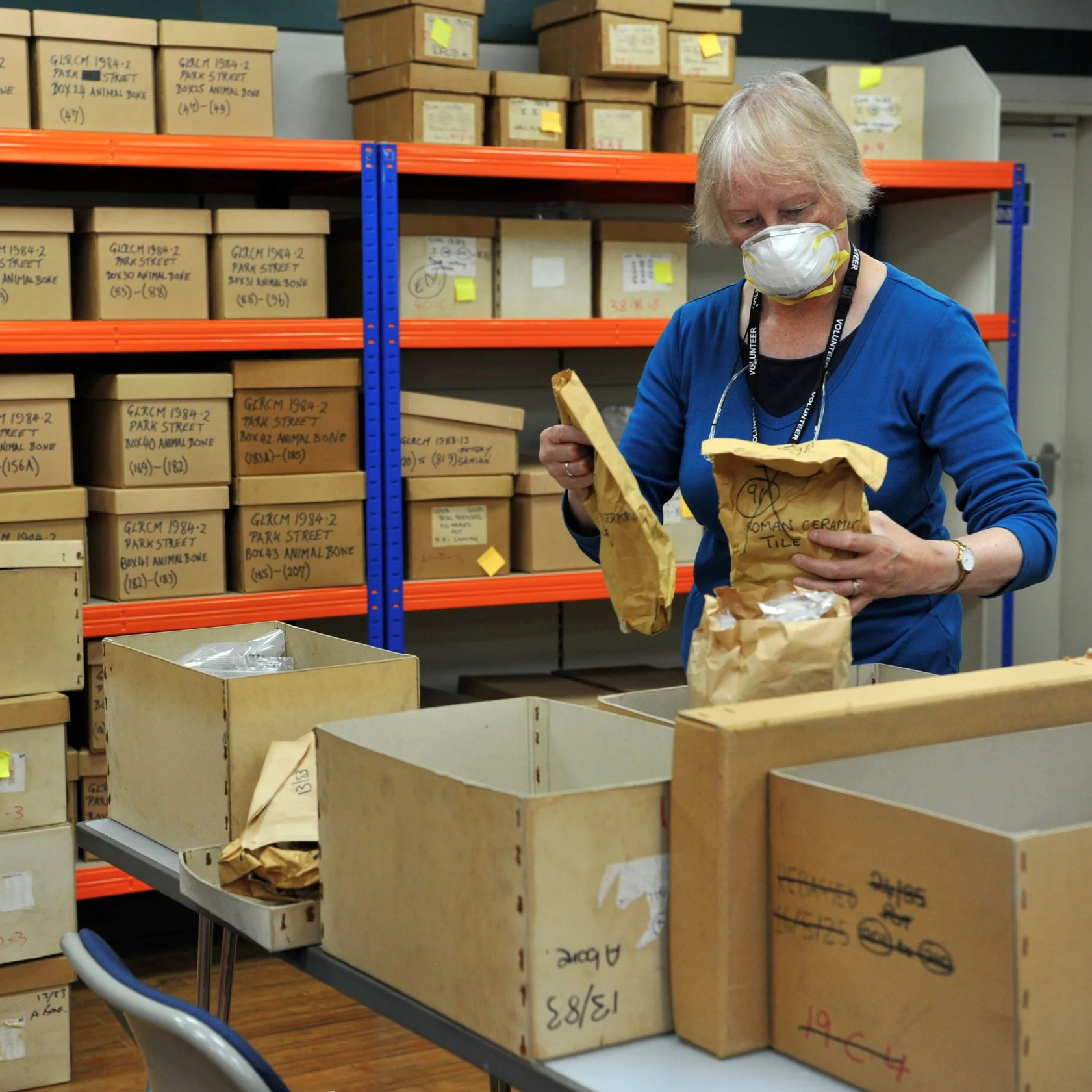
A Season Shaped by Volunteers
From Nature Journals to Roman tours and July’s archaeology talks.
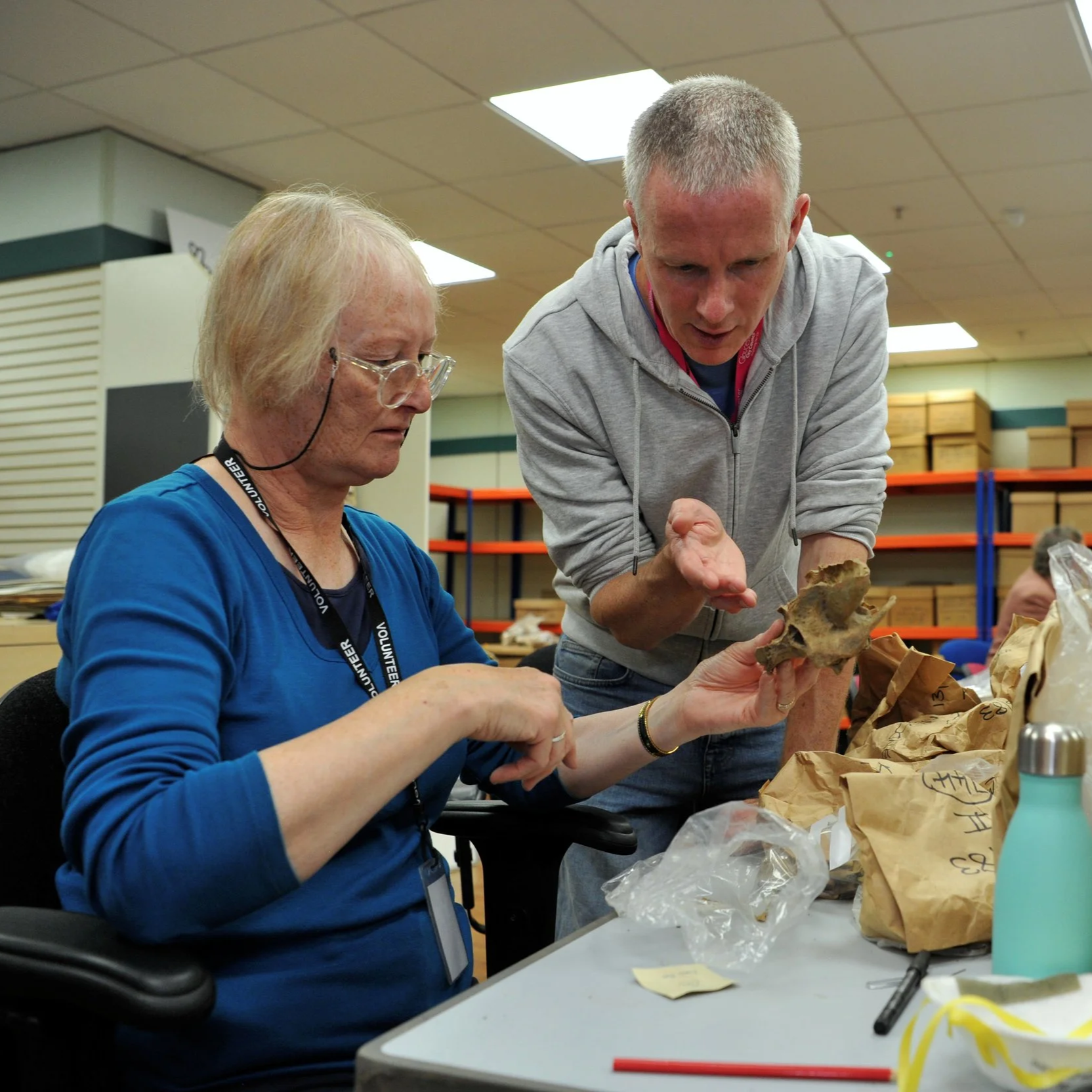
How Our Volunteers Helped Move a Museum
Celebrating the brilliant volunteers whose dedication, good humour and hard work keep our collections thriving.
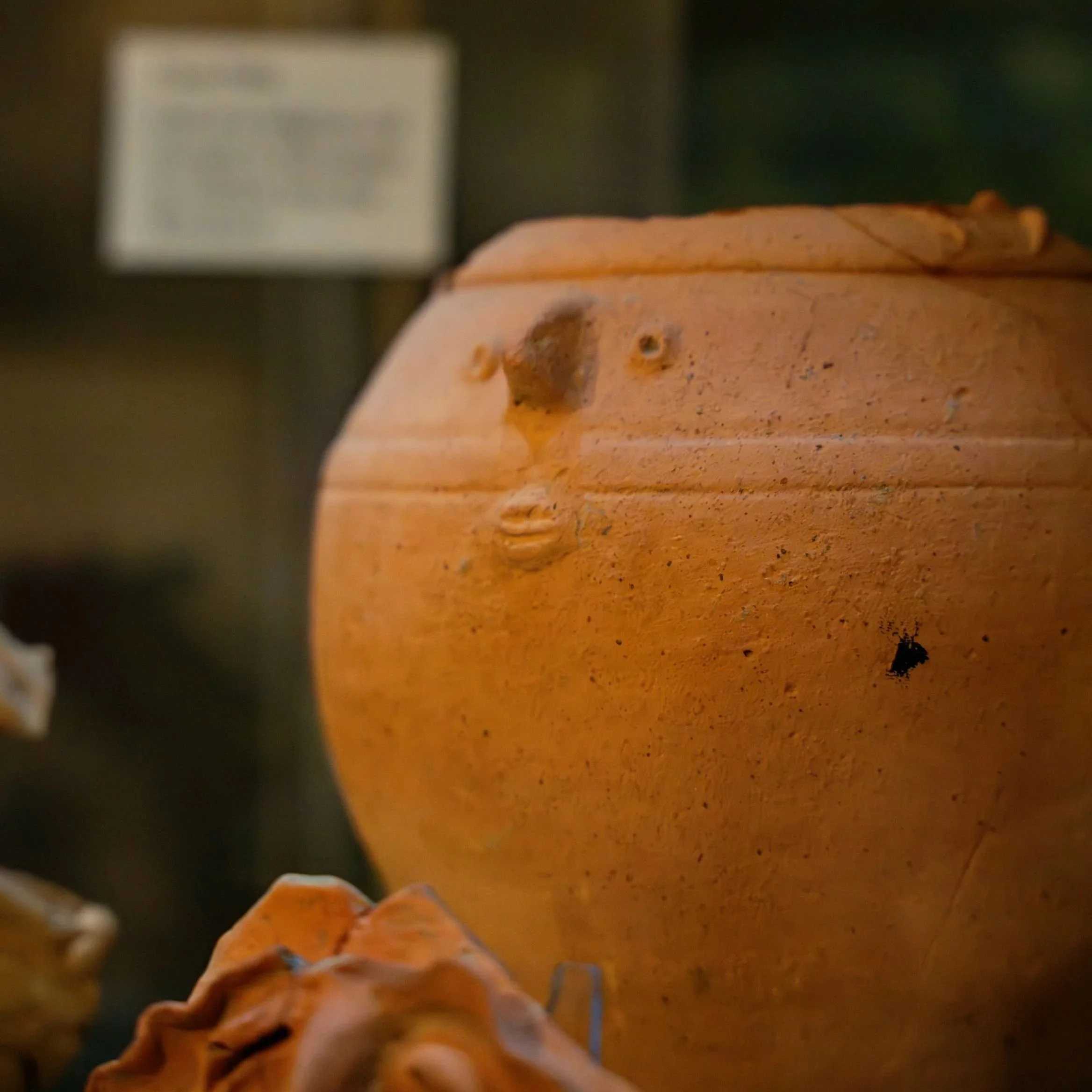
May at the Museum
Make sure you don’t miss our May activities!
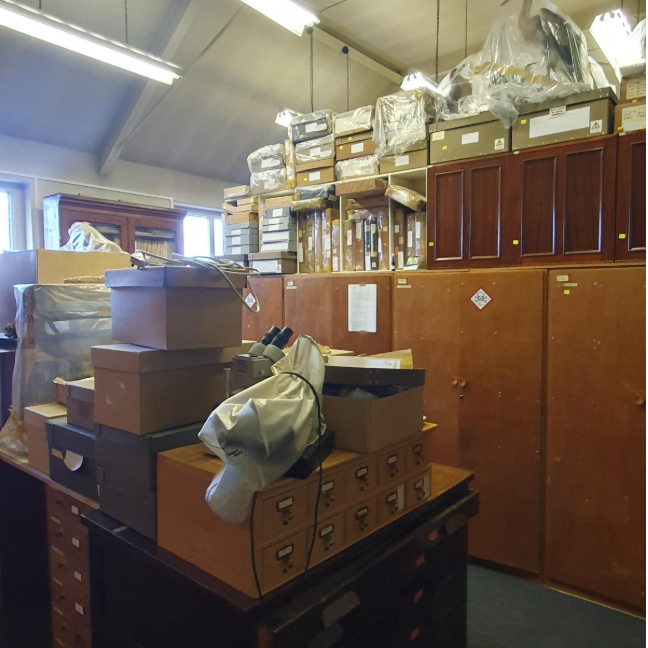
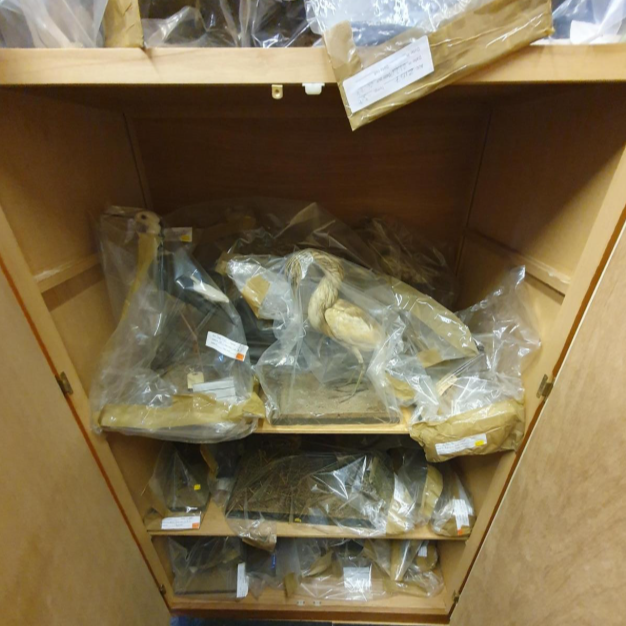
Hazards in Collections: Reducing the Risks – Great Grant! The Natural History Store is NOT a Bore!
A deep dive into our Natural History Store has helped us identify key hazards across taxidermy, herbariums and minerals, and improve how we manage and record them. From understanding radioactive minerals to refining PPE, ventilation and handling procedures, the team now has clearer processes, better documentation and a stronger grasp of how to keep both people and collections safe.
Hazards in Collections: Reducing the Risks – Radioactive Material
Find out more about radioactive materials, which ones we have in our collection and how we care for them.
Hazards in Collections: Reducing the Risks – Heavy Metal(s)
Discover where lead, arsenic and mercury appear in historic collections, the risks they pose, and how museums manage them safely.
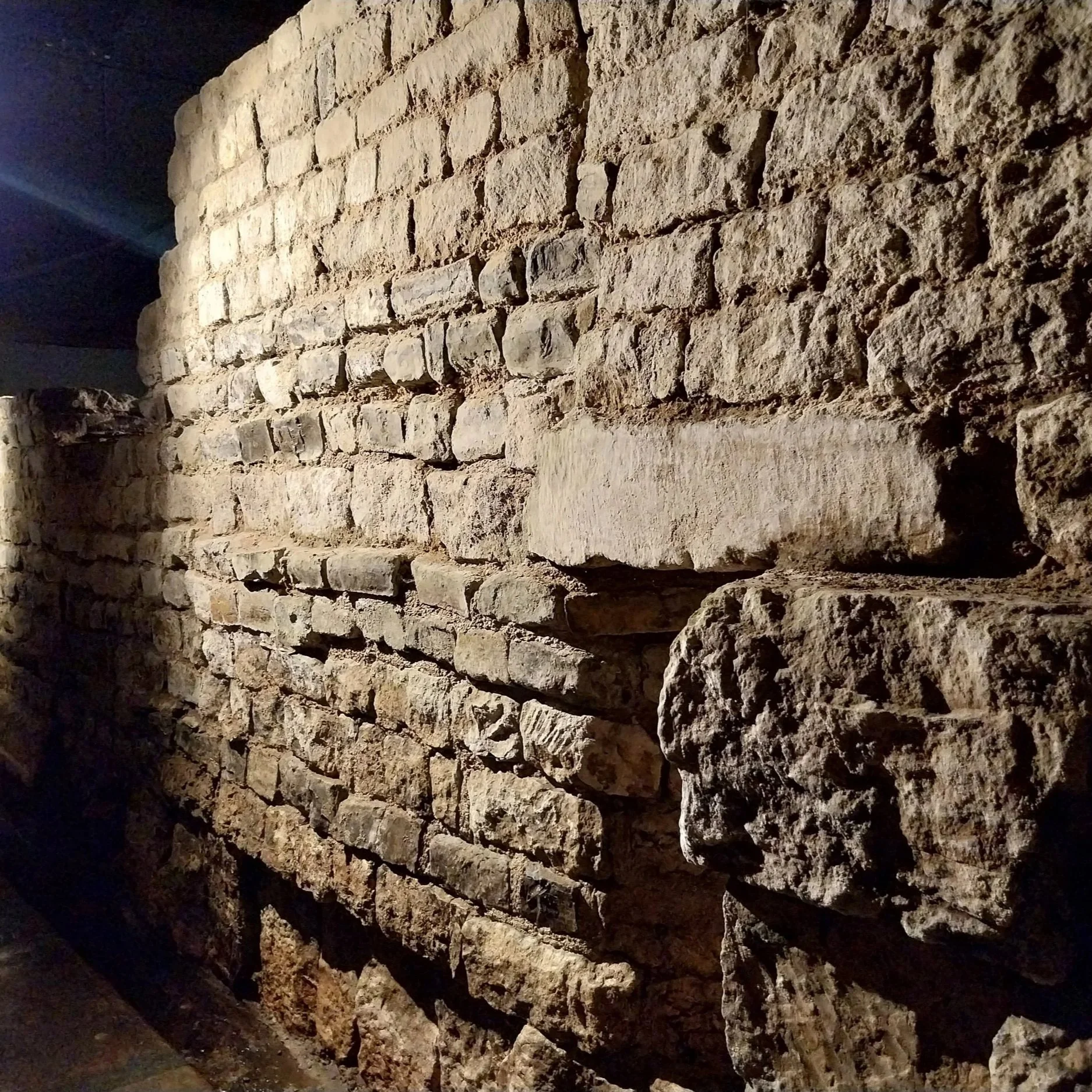
Still to Come This April
There’s still a lot going on this April at the Museum - make sure you don’t miss out!
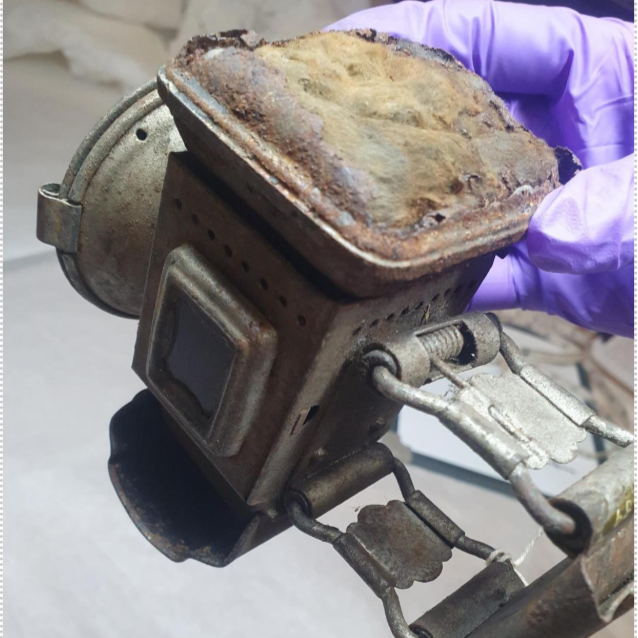
Hazards in Collections: Reducing the Risks - The Big ‘A’
This second post in our Hazards in Collections series explores asbestos: what it is, why it’s dangerous, and the many unexpected places it can show up in historic objects. From minerals and early electrics to Bakelite, gas masks and even old ceramic repairs, it appears more often than you’d think. We also touch on how risk varies with an item’s condition and how teams manage it safely, with some higher‑risk pieces needing specialist removal or disposal.
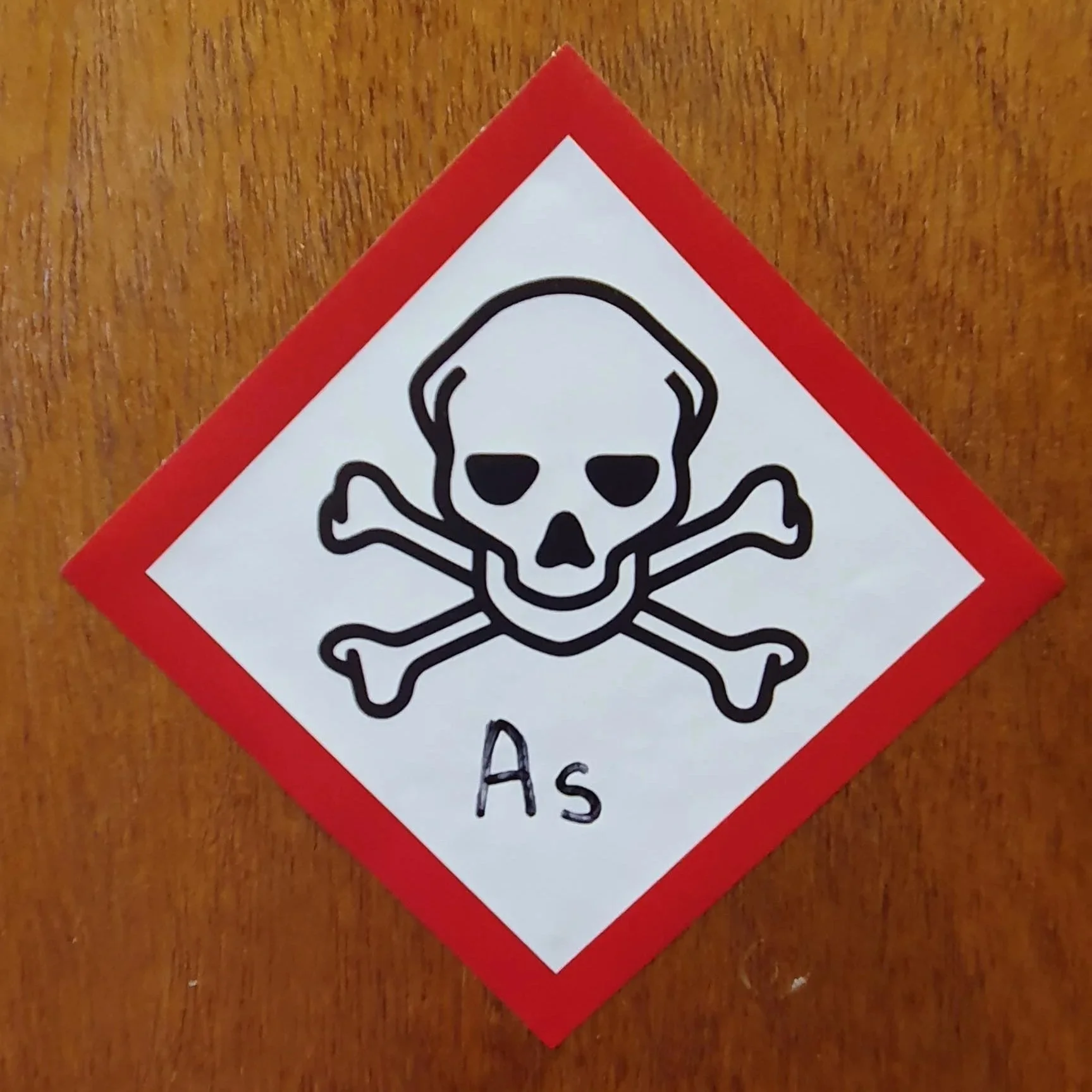
Hazards in Collections: Reducing the Risks Introduction
We reflect on the hidden hazards within our collections and how recent training has helped us better identify and manage risks like asbestos, heavy metals and mould. With support from a Museum Development South West grant, we’ve also been able to make our Natural History Store safer for our team and visitors.
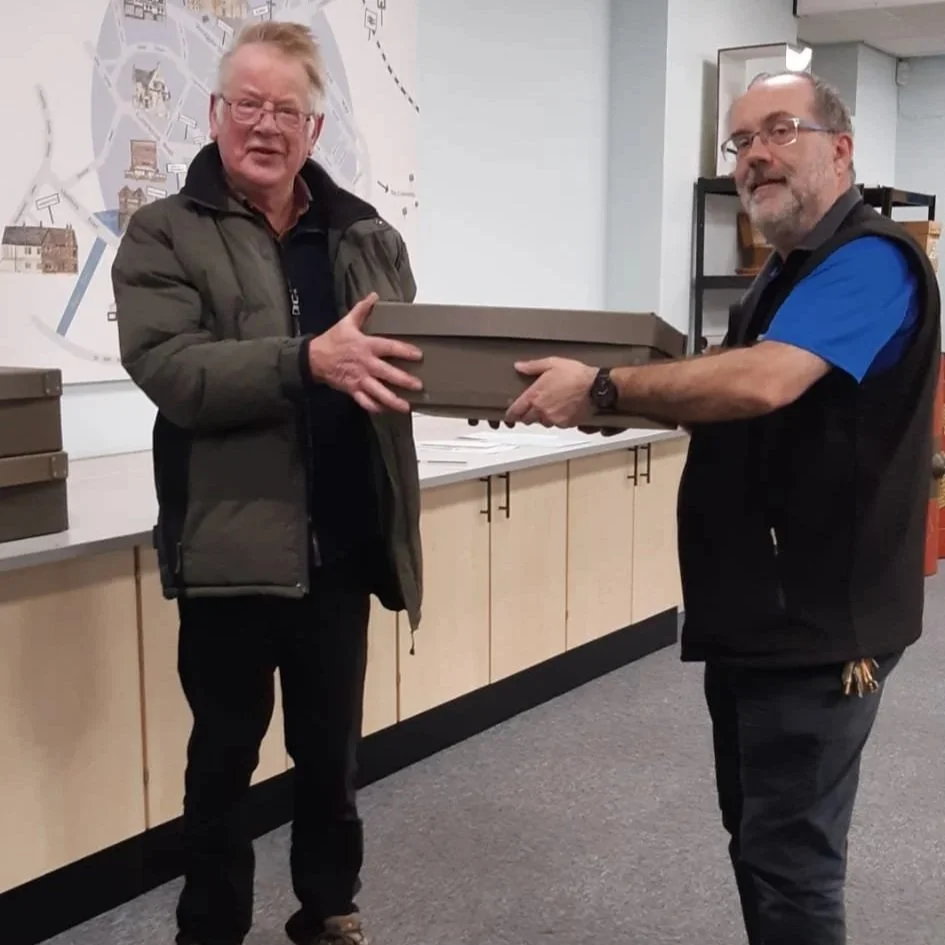
Delightful Disposals: Arguably the world’s largest can opener collection (not really!) finds new home
Disposals might sound alarming in a museum context, but at the Museum of Gloucester they’re anything but. As we continue reviewing our social history collection, we’ve recently rehomed around 100 objects, including an impressive 87 can openers, to the Ken Hawley Collection Trust in Sheffield. These items, once tucked away in storage, now have a new life within a nationally significant tool-making collection, where their stories can shine. This “delightful disposal” is a perfect example of how responsible collections care ensures objects find the places where they truly belong.
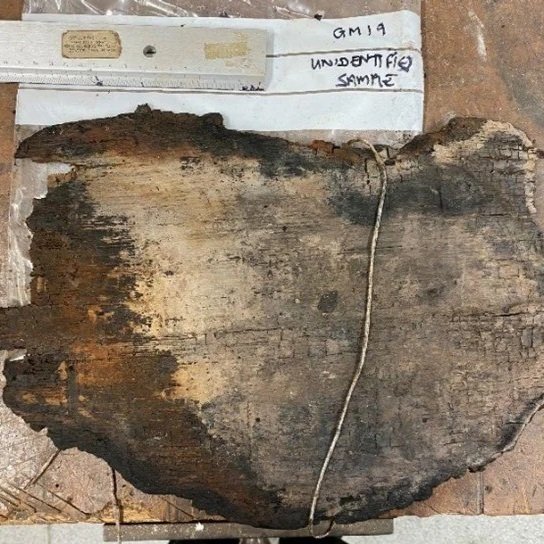
Dendrochronology project - Significant isotope dating result
A rare discovery from the Museum’s timber samples has just been confirmed by Swansea University, marking an exciting milestone in our dendrochronology project. Find out why this result matters and what it means for future research.
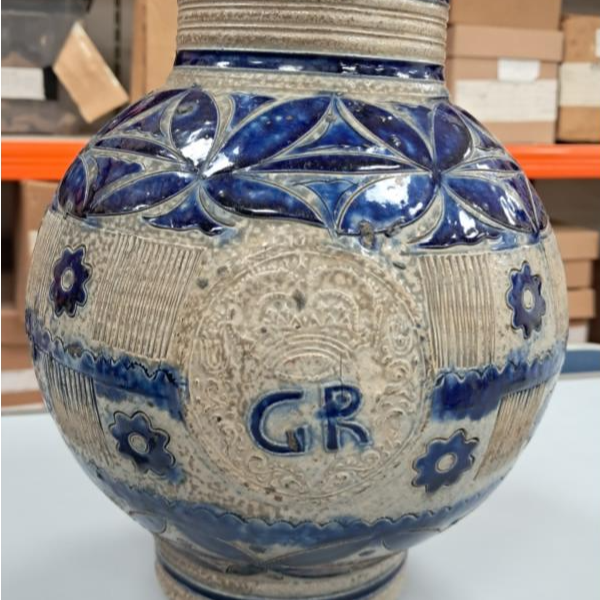
Discovery Centre Finds - Stoneware Jug
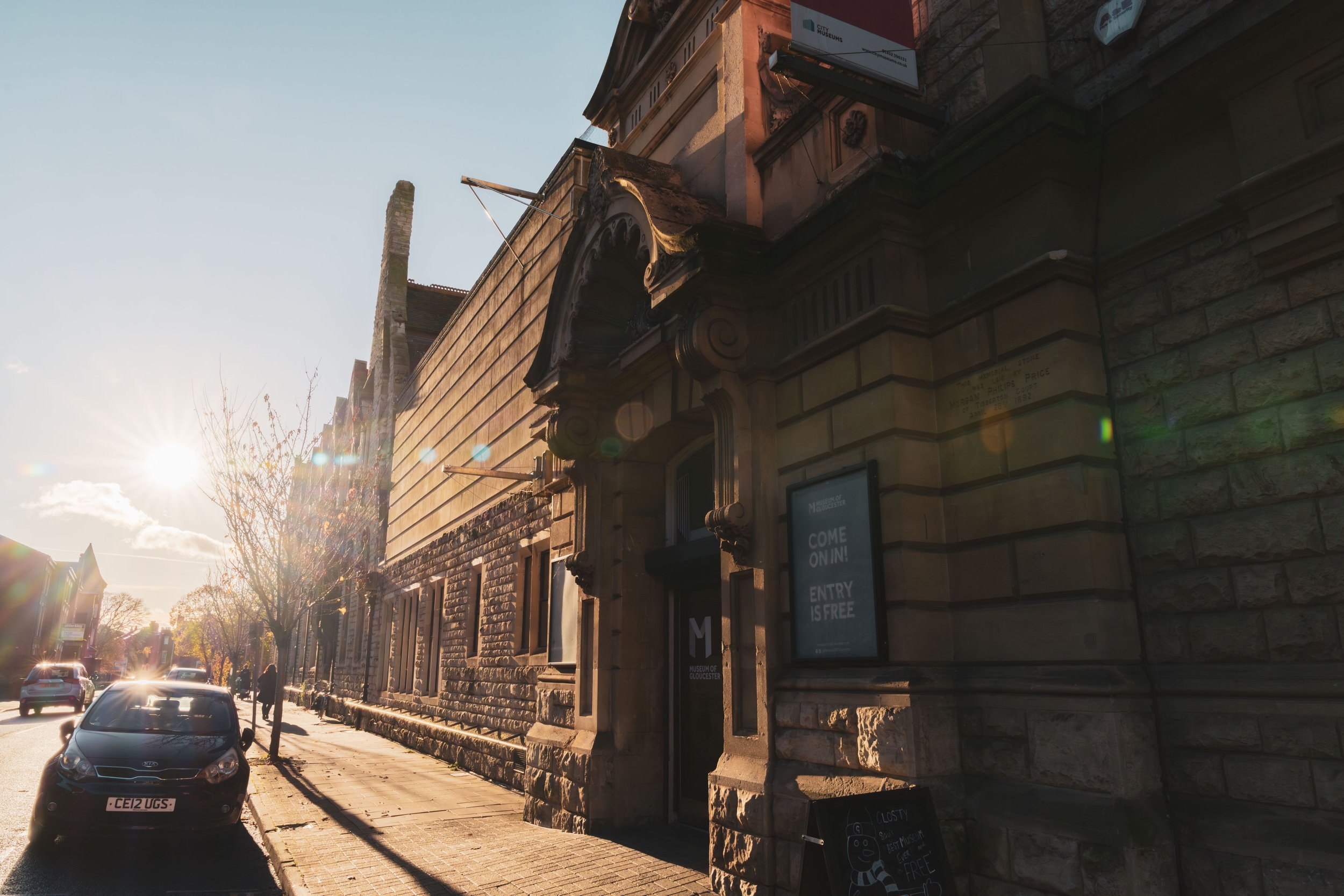
Council proposes Changes TO THE Museum in 2026
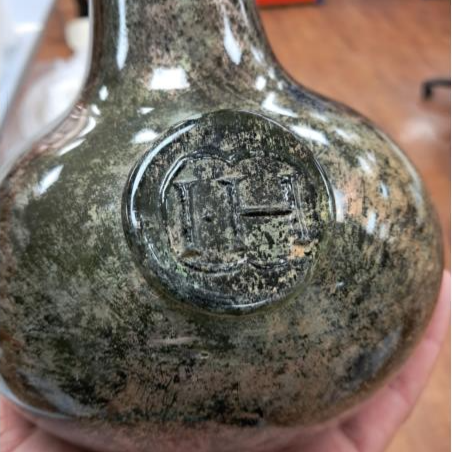
Discovery Centre Finds - Post-medieval glass bottle with seal
A 17th-century dark green glass wine bottle of the “shaft and globe” type, made in England using the free-blown method. Its seal, marked “I.H,” likely identifies the person who commissioned it rather than the maker—possibly John or similar, as “I” was used for “J” at the time.